
How to Install a Sump Pump: 6 Steps
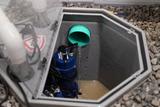
Dealing with water in your basement? You need a sump pump—and if you already have a sump pump in your basement, it doesn’t hurt to upgrade it.
On this page, we’ll go over six steps to take when installing a sump pump. Let’s make it clear right off the bat: this is a job best left to professionals. After reading, you’ll see it’s beneficial to work with professionals when installing a sump pump and why having one in your basement is so important.
Preparing for Sump Pump Installation
Before installation can begin, there are a few things to take care of. Sump pump installation is generally more successful when handled by a professional, so your first course of action should be to schedule an inspection. This way, the basement can be examined to determine the best place to install the sump pump.
Before installation, professionals may consider the following:
- Are there cracks in the basement floor or basement walls?
- Where is water in the basement coming from?
- If you already have a sump pump, why did it fail in the first place?
Depending on the answers to these questions, professionals may recommend other waterproofing tools such as a dehumidifier, interior drainage system, or wall vapor barrier. They might also recommend wall repair options if the basement’s structure is experiencing water damage.
You can learn more about what causes basement water issues in the informative video from our friends at Groundworks. Once these issues have been considered, sump pump installation can begin.
Step 1: Find the Best Spot and Dig
Sump pumps are most effective at removing water from under your basement floor when located in the lowest spot of the floor. Professionals determine where that spot is by using a laser level.
If the sump cannot be located in the lowest spot for some reason, a PVC feed line should be run through the floor from the lowest spot to the sump pump location. Once a good spot has been identified, a hole is excavated in which the sump pump will be placed.
Step 2: Place the Sump Pump System
Once the chosen spot is excavated, it will be time to place the sump pump system into the hole. Sump pumps have a few different components:
- Sump liner
- Sump pump
- Float valve
- Drainage line
- Check valve
All of these components create the sump pump system and allow it to remove captured water out of your basement. Professionals will assemble the sump pump system properly and place it into the basement floor.
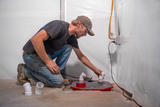
Step 3: Test the Float Valve
The float valve is arguably the most important component in a sump pump. When water reaches a certain level in the sump pit, it pushes up on the float valve. This triggers the pump mechanism which gives the sump pump its name. Ensuring the float valve works properly is an important part of the installation process. This component will determine if your sump pump system works properly and lasts long.
Step 4: Connect the Pump to Power
Most sump pumps run on battery power. Professionals will plug the sump pump into a power source and test the mechanism one last time. It might be worth considering backup batter power just in case of sudden power outages. Having this additional power can pay off during a storm, so talk to professional about your options.
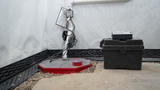
Step 5: Restore the Floor and Attach Discharge Line
To complete the sump pump installation, the floor is restored flush for a clean, attractive look. Professionals shouldn’t leave a gap around the pump (which could collect dust, debris, and other items that can clog the pump). Trusted professionals will ensure the basement floor looks good as new.
Step 6: Install Other Waterproofing Measures
Once the sump pump is installed, you can be sure that groundwater and leaks won’t cause as many problems in your basement. However, depending on what professionals found during your basement inspection, they might recommend that you install other basement waterproofing measures. That way, the sump pump won’t have to do all the work and will last longer—providing you with maximum protection.

‘
Schedule a Free Basement Inspection with AFS

Sump pumps are an incredibly valuable tool for any homeowner. With professional help, you can get one installed and start keeping your basement better protected against water intrusion. Our team has been helping homeowners in the Southeast since 2000, and we’ll do the same for you.
If you need a trusted professional to install a sump pump system for you, contact us today. Schedule a free inspection with us, and we’ll determine the best place to install your sump pump and other waterproofing measures for industry-leading protection in your basement!
OUR WATERPROOFING EXPERTS ARE HERE TO HELP
Schedule A Free Inspection

Ted Dryce
Publish Date:
Last Modified Date:

Our Locations
130 Interstate Commerce Crt. Bldg. 100 & 200
Alabaster, AL 35007
806 N Holtzclaw Ave.
Chattanooga, TN 37404
2701 Opelika Road
Phenix City, AL 36870
1909 Montgomery Hwy, Suite 322,
Dothan, AL 36303
1317 26th Ave, Ste 101
Gulfport, MS 39501
2415 Jordan Road
Huntsville, AL 35811
3028 E Governor John Sevier Highway
Knoxville, TN 37914
13105 Middletown Industrial Blvd.
Louisville, KY 40223
3131 Hamilton Blvd.
Theodore, AL 36582
1519 Heil Quaker Blvd.
LaVergne, TN 37086
89 W. Hood Dr.
Pensacola, FL 32534