
4 Popular Sump Pump Systems Rated
Basement flooding is a concern for many homeowners, and it’s crucial to protect your home with basement waterproofing systems like sump pumps.
Many different models of sump pump systems have been designed to handle removing water in the basement and keeping it away from homes. Like most things in the home repair industry, some designs are good, some are great, and some are in the process of being phased out.
In this article, we explore the four most common types of sump pumps: pedestal pumps, submersible pumps, water-powered pumps, and “floor suckers.” We’ve also included how each rates (on a scale from 1 to 5), for certain performance aspects, and included the pros and cons for each one.
Pedestal Sump Pump Systems
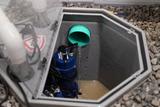
The pedestal sump is mounted over the sump basin, right above the basement’s water line. It sits on a pipe that holds it over the necessary water level and has a sensor that detects water entering the basin. When the water reaches a certain height, the sump’s motor activates and begins pumping out the excess water.
Lifespan: 2 out of 5
Pedestal sump pumps are often mass-produced designs with a double engine casing around the engine that retains more heat than single casings. This, combined with the fact that pedestal pumps cannot be immersed in cooling water, tends to make the engines overheat and break down prematurely.
Reliability: 1 out of 5
Pedestal sump pumps are raised high out of the water, and they generate a great deal of vibration when they’re running. These vibrations cause the sump pump to “wander” in the pit. If the pump drifts too close to the edges, the switch that turns the pump on and off may be jammed in an on or off position, leading to problems. Additionally, the long line between the switch and the pump clogs easily.
Capacity: 3 out of 5
Pedestal sump pumps tend to be less expensive sump pumps that have been mass-produced. Often, they are made out of plastic instead of cast iron. While much higher in capacity than other models, these low-end pumps are not always strong enough to keep up with the water flowing into the sump pit.
Noise: 1 out of 5
Because a pedestal sump pump cannot be submerged in the water, it cannot be installed within the sump pump liner. Because of this, they must run while suspended in the air in your basement. They’re excessively loud, and the open sump pit below them will collect debris while allowing odors and humidity into your basement.
Lifetime Cost: 3 out of 5
Pedestal sump pumps are more expensive than water-powered sump pumps and “floor sucker” models, but generally less expensive than submersible sump pumps. However, because they break down so chronically, you can expect a submersible sump pump, and even a water-powered sump pump, to far outlast a pedestal pump. This makes them a poorer value for your money.
Pedestal Pump Advantages
- Higher Capacity: Pedestal sump pumps are one of the higher-capacity sump pumps available on the market. They’re more able than some models to keep up with heavy volumes of water.
Pedestal Pump Disadvantages
- Frequent Malfunctions: These low-end pumps are notorious for early burnout. Pedestal pumps also “wander” in their sump pits and can jam their sump pump switch on the side, forcing it to stay on or off.
- Noisy Operation: Because the motor is out of the sump pit, the noise from the pump cannot be muffled by a lid. Pedestal pumps usually stand in open pits, which let in odors and humidity.
Submersible Sump Pump Systems
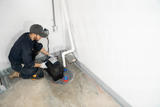
The submersible sump is installed directly into the sump pit and runs underwater. It is enclosed in a watertight housing and has a sensor that detects when water rises to a critical level in the pit. An impeller pumps excess water out of the basin through a connected drainage pipe. The water is then redirected outside the home to a drainage area.
Our team at AFS Foundation & Waterproofing Specialists has carefully researched each sump pump model available on the market to determine which model we’re willing to stand by when we waterproof your basement. That is why the various sump pump systems we offer are submersible.
Lifespan: 5 out of 5
Submersible sump pumps come in a wide range of quality and designs. However, submersible models are generally of a higher quality when compared to other models of sump pumps. They naturally disperse heat from the pump into the water around them. For the longest life, find a submersible sump with a cast-iron center and an appropriately sized liner.
Reliability: 5 out of 5
Submersible sump pumps often outlive several generations of pedestal sump pumps. When properly maintained, they can last for many years without failure. A reliable submersible pump should have no screen on the intake and should include a plastic liner with a stand that keeps it off the bottom, where any debris will settle.
Capacity: 5 out of 5
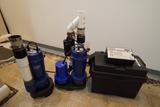
Submersible sump pumps are generally far more heavy-duty and higher-capacity than comparable other sump pump designs. It’s important to note that while submersible pumps are more powerful, the sump pump should be appropriately powerful for the job. If it’s too powerful, it will turn on and off repeatedly. If it’s not powerful enough, your basement will flood.
Noise: 4 out of 5
All sump pumps make at least a little noise, but submersible pumps are the quietest pumps available. The quietest submersible sump pumps include a liner with an airtight lid, as well as rubber grommets around pipe and wire entrances. The discharge lines should also be large and straight, so that the sump pump isn’t trying to noisily force water through narrow pipes.
Lifetime Cost: 4 out of 5
The price tag for a single submersible sump pump is higher than other models on the market. However, a good argument can be made for the quality and long life of submersible pumps. A submersible pump will outlast all other designs, bringing you the best value for your investment.
Submersible Pump Advantages
- High Capacity Operation: Submersible sump pumps are high-capacity units that can keep any basement dry. When combined with a battery backup submersible pump, they provide the best protection of available models.
- Long Lifespan: Because the cast iron housing around the motor can disperse heat naturally into the water, these self-cooling pumps are long-lasting and reliable protection for your home.
Submersible Pump Disadvantages
- Initial Investment: While a submersible sump pump will outlast several generations of similar pumps, they cost slightly more on their initial investment than comparable alternatives.
Water-Powered Sump Pumps
Water-powered sump pumps are installed above the pump pit and are powered by your water supply instead of electricity. These systems use your town’s water supply and depend on your home’s water pressure for pumping capacity.
Lifespan: 4 out of 5
Water-powered sump pumps are a long-lasting sump pump model that outlasts pedestal pumps and “floor sucker” models by a large margin. When used as a backup system for a submersible sump pump, water-powered sump pumps can be an appropriate part of a basement waterproofing system.
Reliability: 2 out of 5
While water-powered pumps can last for a very long time, they are one of the less reliable options for basement waterproofing. Water-powered sump pumps rely on your home’s water pressure to maintain proper operation. If your home has low water pressure, then your pump may not operate at full strength, resulting in a wet basement.
Capacity: 1 out of 5
Water-powered sump pumps are, unfortunately, among the lowest-capacity sump systems on the market. Water-powered pumps depend on your home’s water pressure to run. They discharge 3-5 gallons of usable water from your plumbing for every gallon of groundwater pumped out of your house, and during heavy flooding, they are often overwhelmed, resulting in a flood.
Noise: 4 out of 5
Water-powered sump pumps are among the quietest sump pumps on the market, especially when compared to noisy “floor-suckers” and pedestal sump pumps. For maximum noise reduction, ensure the discharge and intake lines are large enough for the water being pumped through. An airtight lid should also be installed around the intake line on the sump pump lid.
Lifetime Cost: 4 out of 5
A water-powered sump pump system is longer-lasting than “floor sucker” pumps as well as pedestal sump pumps and shorter-lived than submersible pumps. At a lower cost, they are a better value than many sump pump models. They use no electricity, however, they do use 3 to 5 gallons of water for each gallon of groundwater discharged
Water-Powered Pump Advantages
- Runs Without Electricity: Water-powered sump pumps operate by using your local water supply to help discharge water, allowing them to run through many power outages. 3-5 gallons will be used for each gallon of groundwater discharged.
- Long Lifespan: These pumps are long-lasting, durable systems that should continue operation for many years.
Water-Powered Pump Disadvantages
- Low Pumping Capacity: Unfortunately, water-powered sump pumps run at very low capacity. Heavy rains and water volumes will quickly overwhelm these systems.
- Requires High Home Water Pressure: If your home has low water pressure, it will greatly affect how useful these pumps are. If you experience a temporary loss of water pressure, they may fail to operate entirely.
Floor Sucker Sump Pump Systems
Unlike regular sump pumps, floor sucker pumps are made for areas without existing sump systems. One key difference is they are portable rather than permanently installed, allowing use in multiple locations. The pump sits right on the floor surface unattached to any sump pit or drain. Floor sucker pumps drain excess water from floors, but are not protective devices. Instead, they are used to drain flooded zones after water has already accumulated.
Lifespan: 2 out of 5
A floor sucker sump pump can last for several years, but only because they only run when your basement is flooding at its worst. A floor sucker cannot compete with a normal pump system when it comes to actual hours of operation, and they should not be counted on to last during heavy volumes when they’re needed most.
Reliability: 1 out of 5
A floor sucker sump pump will only turn on when the basement floods, making them the least reliable way to keep your basement dry of all models. Even when a floor sucker is on and operating, it will not remove all water in your basement. A 1/8″ layer of water, at least, will always remain after the pump completes its operation.
Capacity: 1 out of 5
Floor suckers are not known to be powerful, high-capacity sump pump systems. During significant floods and heavy rains, these pumps are likely to be overwhelmed by flooding water, which will rise faster than these pumps can remove it.
Noise: 1 out of 5
Floor suckers are the noisiest sump pumps of them all, even louder than pedestal pumps.
These pumps operate directly on your basement floor, discharging through a common garden hose. They literally suck the water from the floor, creating noise from the motor, suction, and through the discharge line (garden hose).
Lifetime Cost: 2 out of 5
Floor suckers are the least expensive sump pumps on the market. They are installed with no need to create a sump pit or drainage channel, making them fast and inexpensive to install. However, if you’re paying to keep your basement dry, you’ve come to the wrong place. These are notoriously low-end pumps that can’t keep up with heavy rains, and they will never last long.
Floor Sucker Pump Advantages
- Requires No Sump Pit or Interior Drain: Floor suckers sit directly on the basement floor. There’s no need to install a perimeter drainage system or sump pit.
- No Installation Time: These pumps are ready for use immediately, making them a good option for emergency use or to clear out flooded waters before installing a different system.
Floor Sucker Pump Disadvantages
- Does Not Stop Flooding: Your basement must flood with more than 1/8″ of water before this pump begins operation. If you’re paying to dry your basement, this is not a solution.
- Loud & Low Capacity: These pumps are low-end models that will not be able to keep up with heavy floods. The pump operation, sucking sounds, and discharge line will all contribute to significant noise during operation.
Trust AFS for Reliable Sump Pump Systems
Especially if your basement is prone to leaking or flooding, protecting your home with a reliable sump pump system is crucial. AFS takes the guesswork out of choosing the right system. Following a free basement inspection, we’ll recommend a sump pump system and other basement waterproofing measures tailored to meet your needs.
OUR WATERPROOFING EXPERTS ARE HERE TO HELP
Schedule A Free Inspection

Ted Dryce
Publish Date:
Last Modified Date:
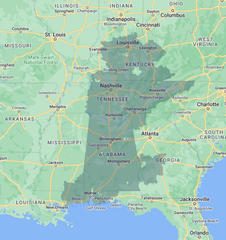
Our Locations
130 Interstate Commerce Crt. Bldg. 100 & 200
Alabaster, AL 35007
806 N Holtzclaw Ave.
Chattanooga, TN 37404
2701 Opelika Road
Phenix City, AL 36870
1909 Montgomery Hwy, Suite 322,
Dothan, AL 36303
1317 26th Ave, Ste 101
Gulfport, MS 39501
2415 Jordan Road
Huntsville, AL 35811
3028 E Governor John Sevier Highway
Knoxville, TN 37914
13105 Middletown Industrial Blvd.
Louisville, KY 40223
3131 Hamilton Blvd.
Theodore, AL 36582
1519 Heil Quaker Blvd.
LaVergne, TN 37086
89 W. Hood Dr.
Pensacola, FL 32534