
A Homeowner’s Guide to Concrete Issues Over Time
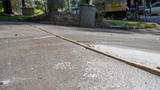
Becoming a homeowner is an exciting journey, filled with new discoveries and responsibilities, including the maintenance of your property’s concrete surfaces.
Initially, new homeowners may encounter issues such as minor cracking or settling, which can seem manageable at first.
However, as time marches on—say, 10 to 15 years later—the narrative can change dramatically.
What were once small, cosmetic flaws can evolve into significant structural problems, leading to safety hazards and potentially costly repairs.
From driveways and walkways to patios and foundations, understanding the evolving challenges of concrete maintenance is crucial for long-term property care.
This article delves into the common concrete problems faced by homeowners at different stages of homeownership and provides insights into maintaining the longevity and safety of your concrete surfaces.
Concrete Problems as a New Homeowner
As new homeowners, it’s crucial to be vigilant about the condition of your home’s concrete areas, including driveways, walkways, patios, and the foundation.
Here are key concerns and checks you should prioritize:
- Crack Inspection: Regularly examine concrete surfaces for any cracks or fissures. Early detection can prevent small issues from becoming major problems.
- Surface Leveling: Check for uneven settling or sinking areas, which may indicate underlying issues such as soil erosion or poor compaction.
- Water Pooling: Look out for areas where water tends to accumulate, as this can be a sign of improper drainage that could undermine the concrete’s integrity.
- Finish and Sealing: Ensure the concrete’s finish is intact and properly sealed. A good sealant protects against moisture infiltration, which can lead to cracking and erosion.
- Joint Condition: Inspect the condition of expansion joints in concrete slabs; these should be intact and free of debris to allow for natural expansion and contraction.
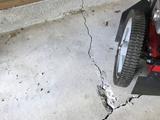
Addressing these concerns promptly can help new homeowners maintain the durability and appearance of their concrete, avoiding costly repairs and ensuring long-term satisfaction with their property.
Concrete Problems Down the Line
After 10 to 15 years in a home, homeowners may face different challenges with their property’s concrete surfaces compared to when they first moved in. Here are several issues that commonly arise over time:
- Crack Expansion: Initial minor cracks may have widened or deepened, indicating more severe underlying structural problems that need immediate attention.
- Surface Erosion: Years of exposure to weather, chemicals, and wear and tear can lead to the erosion of the concrete surface, making it more susceptible to damage.
- Settling and Sinking: Over time, concrete slabs, including driveways and walkways, can settle or sink due to soil shifting or compression, leading to uneven surfaces.
- Moisture Penetration: Older concrete may become more porous, allowing water to penetrate and cause damage, especially during freeze-thaw cycles.
- Rebar Corrosion: In reinforced concrete, the steel bars (rebar) may start to corrode, leading to cracking and spalling of the surrounding concrete.
Addressing these issues promptly can help extend the life of your concrete surfaces and maintain the safety and aesthetics of your home. Regular inspections and maintenance can identify problems early, allowing for cost-effective repairs before more extensive damage occurs.
What’s Causing Your Concrete Problems?
Concrete damage can stem from a variety of sources, leading to issues that compromise the integrity and appearance of the material. Understanding the common causes can help in preventing and addressing damage effectively:
- Water Intrusion: Water entering concrete can cause freezing and thawing cycles that lead to cracks and spalling, especially in climates with significant temperature fluctuations.
- Chemical Exposure: Exposure to harsh chemicals, including deicing salts and acidic substances, can erode the concrete surface over time.
- Soil Movement: Changes in the underlying soil, such as settling, expansion, or erosion, can lead to uneven support and cause the concrete to crack or sink.
- Poor Construction: Inadequate mixing, improper curing, or insufficient reinforcement during the concrete laying process can weaken the structure, making it more susceptible to damage.
- Overload: Placing weight on concrete surfaces that exceeds their designed load capacity can lead to cracks and breakage.
- Age: Over time, concrete naturally deteriorates due to ongoing exposure to environmental elements, leading to general wear and tear.
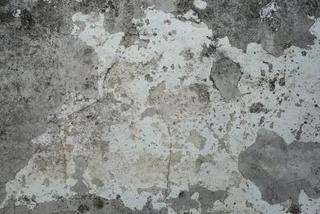
By being aware of these common causes, homeowners can take proactive steps to protect their concrete surfaces, such as sealing cracks, ensuring proper drainage, and avoiding chemical spills, thereby extending the life and maintaining the appearance of their concrete structures.
Addressing Your Home’s Concrete Problems with AFS
Regardless of the age of your home, AFS is here to address and repair your damaged concrete, restoring it to its former strength and stability.
Our innovative PolyRenewal™ system provides targeted lifting, ensuring fast cure times and minimal disruption to your daily life, allowing you to quickly move past the inconvenience of repair work.
Whether you’re dealing with sinking sidewalks, uneven driveways, pool decks, or other concrete issues, our team of concrete leveling experts is equipped to bring you effective solutions tailored to your specific needs.
Don’t let damaged concrete detract from your home’s value and safety.
Reach out to AFS today to schedule a free inspection and take the first step towards a smoother, more secure property.

Ted Dryce
Disclaimer: “Concrete leveling” means the process by which cracked, uneven concrete is stabilized, and in many cases lifted, by means of PolyRenewal™ polyurethane foam. AFS does not guarantee that PolyRenewal™ can make your concrete perfectly level.
Publish Date:
Last Modified Date:
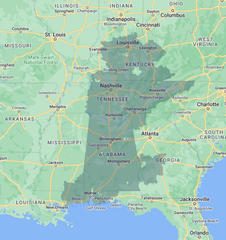
Our Locations
130 Interstate Commerce Crt. Bldg. 100 & 200
Alabaster, AL 35007
806 N Holtzclaw Ave.
Chattanooga, TN 37404
2701 Opelika Road
Phenix City, AL 36870
2415 Jordan Road
Huntsville, AL 35811
3028 E Governor John Sevier Highway
Knoxville, TN 37914
13105 Middletown Industrial Blvd.
Louisville, KY 40223
3131 Hamilton Blvd.
Theodore, AL 36582
1519 Heil Quaker Blvd.
LaVergne, TN 37086
89 W. Hood Dr.
Pensacola, FL 32534