
Pier & Beam Foundation Repair: Warning Signs & Solutions in AL, GA & TN
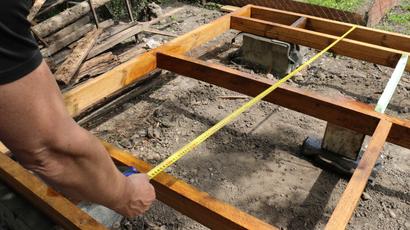
Pier and beam foundations are a common sight across the Southeast. These homes are elevated above the ground using a network of concrete or masonry piers and wooden beams, creating a crawl space beneath the structure. While this foundation style offers vital protection from flooding common to the Tennessee River Valley, it’s also especially vulnerable to soil movement, moisture, and wood decay.
If you own a home on a pier and beam foundation, it’s crucial to recognize the root causes of damage and how to address them before it’s too late. This comprehensive guide explores everything you need to know about pier and beam foundation repair, including warning signs, repair methods, and regional factors that influence your foundation’s performance.
What Is a Pier and Beam Foundation?
A pier and beam foundation uses vertical piers made of concrete, brick, or masonry to support horizontal wooden beams that carry the weight of the home. The space between the ground and the structure forms a crawl space that allows for easy inspection and access to utilities.
This design was especially popular throughout the South before concrete slabs became common. In historic neighborhoods and rural communities across Alabama, Georgia, and Tennessee, many homes still rely on pier and beam foundations. While durable when properly maintained, these foundations are highly sensitive to soil movement and moisture.
Why Pier and Beam Foundations Fail in AL, GA & TN
The Southeast presents a unique set of environmental conditions that directly impact foundation stability. Expansive clay soils, heavy seasonal rainfall, fluctuating temperatures, and high humidity all contribute to foundation deterioration.
Expansive Clay Soils
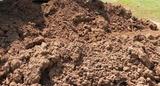
Much of Alabama, Georgia, and Tennessee sits atop clay-rich soil that expands when wet and contracts during dry periods. This constant movement places stress on foundation piers, causing them to settle unevenly or shift over time.
Excess Moisture and Poor Drainage
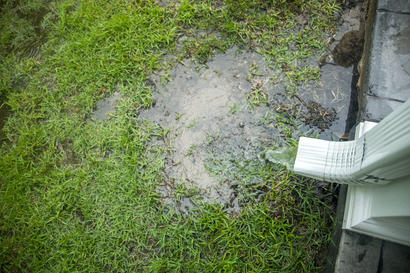
Frequent rainstorms, combined with poor yard drainage and clogged gutters, allow water to collect beneath homes. Poor drainage weakens soil, accelerates wood rot, and increases the risk of mold and mildew growth in crawl spaces.
High Humidity Levels
Elevated humidity throughout the Southeast promotes condensation and moisture buildup beneath homes. Over time, this leads to wood decay, corrosion of metal components, and pest infestations.
Aging Construction Materials
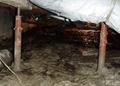
Many pier and beam homes in this region are decades old. Over time, wooden beams, joists, and subfloor materials naturally degrade, especially when exposed to moisture and insects.
Common Signs You Need Pier and Beam Foundation Repair
Catching foundation problems early can prevent extensive damage. If you live in Alabama, Georgia, or Tennessee, watch for these common warning signs:
- Uneven, sagging, or bouncy floors
- Cracks in drywall, ceilings, or interior walls
- Doors and windows that stick, jam, or won’t close properly
- Gaps between walls, ceilings, and trim
- Musty odors or visible mold in the crawl space
- Standing water or persistent moisture under the home
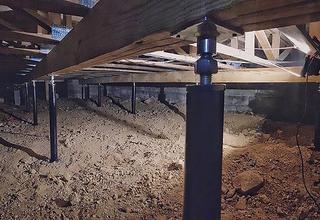
- Rotting wood or termite damage in beams and joists
Even subtle changes, such as new floor slopes or small wall cracks, may indicate deeper foundation problems that require professional evaluation.
How Pier and Beam Foundation Repair Works
Repair methods vary depending on the extent of damage, soil conditions, and the home’s structural design. A thorough inspection by an experienced foundation specialist is essential to determine the best solution.
- Re-Shimming and Re-Leveling: Over time, wooden shims used to level beams compress or deteriorate. Replacing these shims and carefully lifting the structure restores proper elevation and stability.
- Pier Replacement or Installation: If existing piers have cracked, settled, or shifted, they may need replacement. In some cases, additional piers are installed to better distribute structural loads and prevent future settlement.
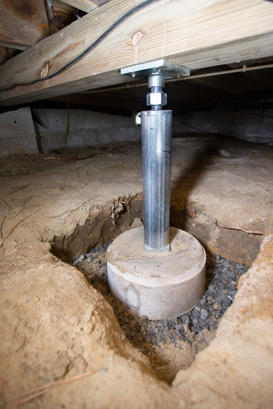
- Crawl Space Support Jacks: Adjustable steel support jacks reinforce sagging beams and floor joists, stabilizing the structure and correcting uneven floors.
- Beam and Joist Replacement: Severely damaged or rotted wooden components must be replaced to maintain structural integrity.
- Moisture Control Solutions: Long-term protection often includes crawl space encapsulation, vapor barriers, dehumidifiers, perimeter drainage systems, and sump pumps to keep moisture at bay.
Preventing Future Foundation Problems
Preventative maintenance is the most effective way to protect your pier and beam foundation long term. Homeowners throughout AL, GA, and TN should follow these best practices:
- Keep gutters clean and downspouts extended at least 6–10 feet from the foundation
- Ensure proper yard grading to direct water away from the home
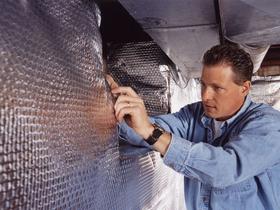
- Install vapor barriers and crawl space encapsulation systems
- Control humidity with crawl space dehumidifiers
- Address plumbing leaks immediately
- Schedule annual foundation inspections
Choose the Right Pier and Beam Foundation Repair Expert

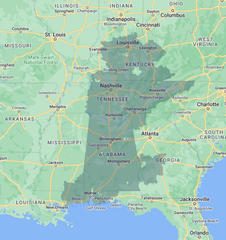
AFS Foundation & Waterproofing Specialists have extensive experience servicing pier and beam foundations across Georgia, Alabama, and Tennessee. That local knowledge ensures that our repair strategies are tailored to the unique soil and climate conditions in your area.
If your home shows signs of settlement, moisture intrusion, or structural shifting, scheduling a professional evaluation can help prevent serious damage. With the right repairs and ongoing maintenance, your pier and beam foundation can provide decades of dependable performance, keeping your home safe, level, and structurally sound. Get started today with a free inspection from AFS.
Pier and Beam Foundation FAQs
They require minimal maintenance but should be checked periodically to ensure they are holding the proper position and adjustment.
While jacks can stabilize specific areas, they are usually part of a broader foundation repair strategy. It’s important to address all underlying issues.
Installation of crawl space jacks generally requires professional assessment and installation to ensure they are placed correctly and safely.
Related Resources
Conor Battles
Publish Date:
Last Modified Date:
Our Locations
130 Interstate Commerce Crt. Bldg. 100 & 200
Alabaster, AL 35007
806 N Holtzclaw Ave.
Chattanooga, TN 37404
2701 Opelika Road
Phenix City, AL 36870
2415 Jordan Road
Huntsville, AL 35811
3028 E Governor John Sevier Highway
Knoxville, TN 37914
13105 Middletown Industrial Blvd.
Louisville, KY 40223
3131 Hamilton Blvd.
Theodore, AL 36582
1519 Heil Quaker Blvd.
LaVergne, TN 37086
89 W. Hood Dr.
Pensacola, FL 32534